
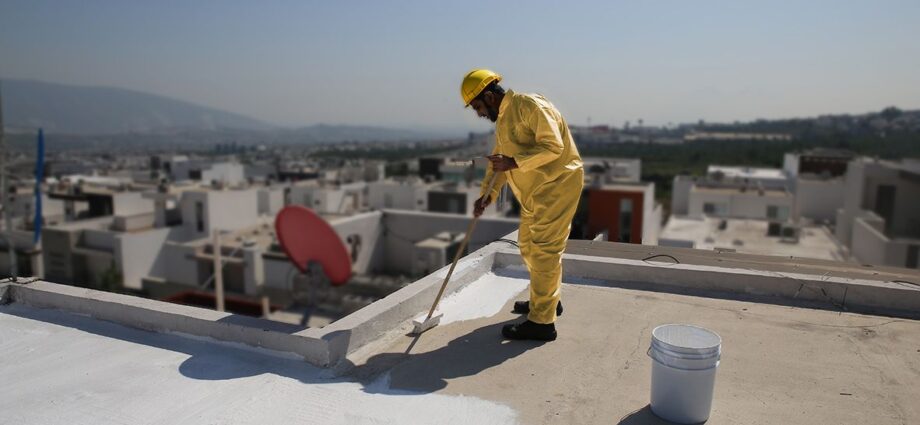
Rooftops endure some of the harshest conditions a building faces, from scorching summer heat that can push surface temperatures well above ambient air to sudden downpours that test every seam and joint. Choosing the right waterproofing solution for these extreme conditions isn’t just about preventing leaks, it’s about protecting the long-term structural integrity of your property. Here’s what you need to know about selecting the best waterproofing for rooftops that face both intense heat and heavy rainfall.
Why Extreme Conditions Demand Specialized Waterproofing
Standard waterproofing solutions are often designed with moderate climates in mind, but rooftops exposed to extreme heat and rainfall need materials engineered to handle both ends of the spectrum. Intense heat causes materials to expand, while heavy rain demands immediate water-shedding capability. A waterproofing system that can’t handle both will degrade faster, crack under thermal stress, or fail to keep water out during storms.
Heat-Reflective Coatings for Temperature Control
One of the most effective solutions for extreme heat is a reflective waterproofing membrane, often white or light-colored, designed to bounce sunlight away rather than absorb it. These coatings reduce surface temperatures significantly, which not only protects the waterproofing layer itself from premature aging but also helps lower indoor cooling costs. Acrylic and elastomeric coatings with reflective properties are particularly popular for this purpose.
Flexible Membranes That Handle Thermal Expansion
Rooftops subjected to extreme heat naturally expand and contract as temperatures fluctuate throughout the day. Rigid waterproofing materials can crack under this constant movement, creating entry points for water. Liquid-applied membranes and modified bitumen systems offer the flexibility needed to move with the roof structure without losing their protective seal, making them a reliable choice for climates with dramatic temperature swings.
Heavy-Duty Solutions for Intense Rainfall
When it comes to rainfall, the waterproofing system needs excellent water-shedding properties and strong resistance to ponding water. Polyurethane-based liquid membranes are known for their seamless application and ability to handle standing water without breaking down. These membranes create a continuous barrier with no joints or seams, eliminating the weak points where leaks typically start during heavy storms.
Combining UV Resistance With Waterproofing Strength
In regions where extreme heat and rainfall both occur seasonally, UV resistance becomes just as important as water resistance. Prolonged sun exposure can cause some waterproofing materials to become brittle, reducing their effectiveness during the rainy season when flexibility matters most. Look for products specifically formulated with UV stabilizers to ensure the membrane maintains its protective qualities year-round.
Proper Drainage Design Matters Just as Much
Even the best waterproofing membrane won’t perform well if the rooftop lacks proper drainage. Effective waterproofing systems should be paired with adequate slope design and drainage outlets to prevent water pooling, which can place additional stress on the membrane and lead to premature failure, especially during intense downpours.
Professional Installation Makes a Difference
Given the demands of extreme weather, proper installation is just as critical as material selection. Even high-quality waterproofing products can underperform if not applied correctly, with adequate curing time, proper layering, and attention to detail around joints, vents, and edges.
Choosing the best waterproofing for rooftop facing extreme heat and rainfall means looking beyond basic leak prevention. Reflective coatings, flexible membranes, UV resistance, and proper drainage all work together to create a roofing system built to withstand the toughest conditions. Investing in the right combination now can save significant repair costs and structural headaches down the road.
Transform your sloped block with a professionally built retaining wall in Point Cook. Designed to prevent erosion, manage drainage, and support landscaping features, these walls combine durability with aesthetic appeal. Choose from concrete, timber, or stone finishes to match your property’s style while ensuring lasting structural performance.